Introduction
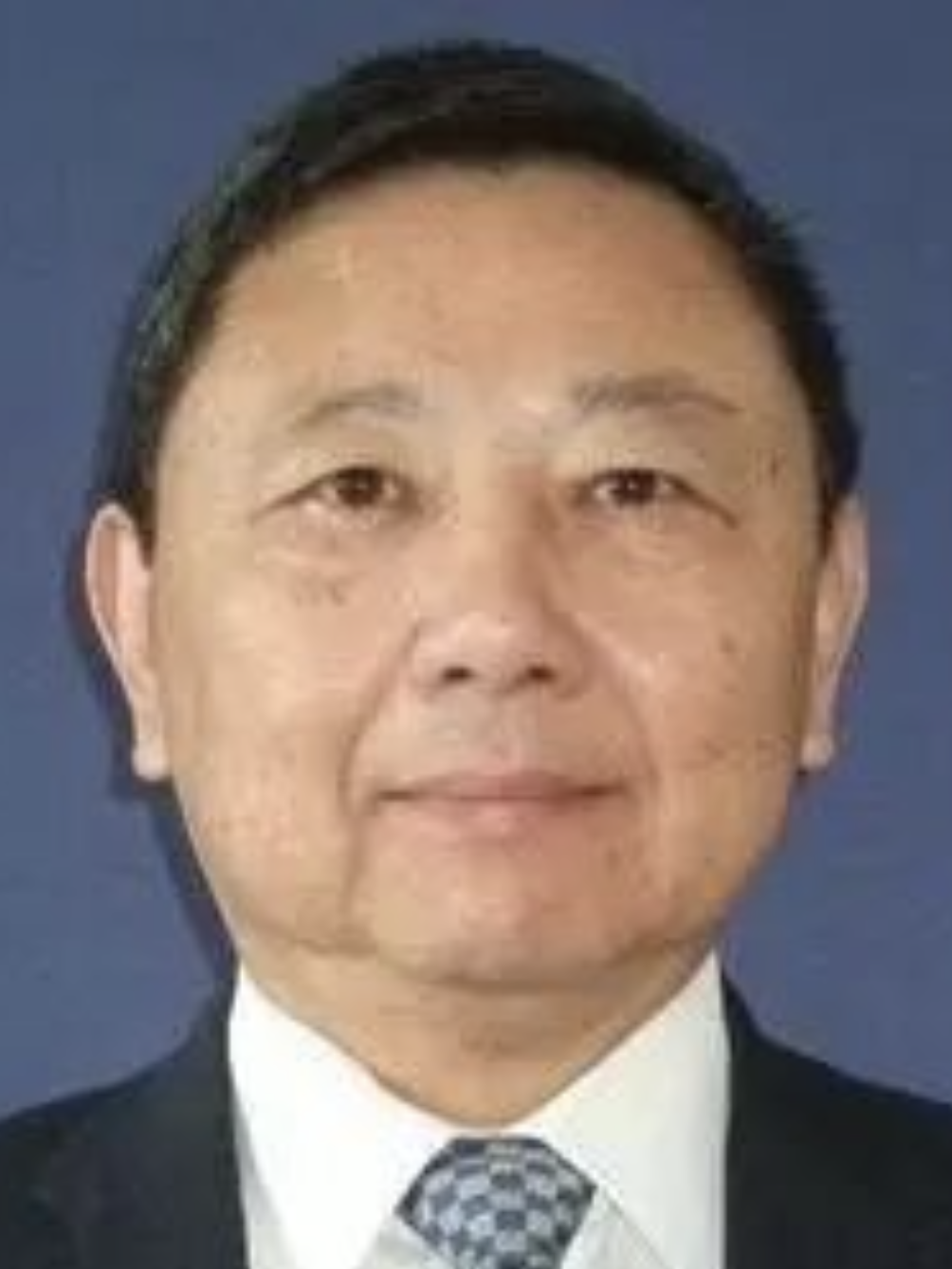
Da-Wei Gu graduated from Department of Mathematics, Fudan University, and received M.Sc. degree in Applied Mathematics from Shanghai Jiao Tong University, both in China, in 1979 and 1981, respectively; and the Ph.D. degree in Control System Theory from Imperial College, London, U.K., in 1985. He was then a postdoctoral researcher in Oxford University. In 1989, he was appointed to a University Lectureship at the University of Leicester, and subsequently promoted to a Senior Lecturer, Reader and Professor. He is the Head of the Control Systems Research Group, Department of Engineering, University of Leicester.
Da-Wei Gu is a Fellow of IET (IEE) and a Chartered Engineer.
Da-Wei Gu is a researcher of considerable breadth and talent who has an international reputation for his many research contributions in control system and control engineering.
More recently, he is making significant contributions in coordinated control of unmanned air vehicles and in health monitoring/management of complex systems -of-systems. He has also independently developed a new line of research at the life sciences interface bringing together experts from Warwick, De Montfort and Sussex Universities to work with him on important modeling problems related to cancer tissue modeling and the early diagnosis of cancer.
Awards
His publication output is outstanding with more than 220 refereed papers and four books. He has maintained regular grant income since 1991 from EPSRC, EU and Industry, and he has been a co-investigator in generating larger sum grants, e.g. the recent EPSRC Platform Grant of £400,000 awarded to the Control Group and industry-related projects such as FLAVIIR, NECTISE, ASTRAEA. In the past year, he has obtained a major EPSRC/BBSRC award for his latest work on the modeling and identification of cancerous pancreatic islets using electrical impedance technology in addition to grants from EPSRC, BAE Systems and TRW Conekt.
In 1997, he was awarded a prestigious JSPS (Japan Society for the Promotion of Science) Fellowship to research at Sophia University, Tokyo. He has held visiting positions at a variety of universities in China, Hong Kong, Japan and Taiwan; he has been invited to serve on the editorial board of Control Engineering Practice and on the International Programme Committees of many major conferences; and he has given many invited seminars and lectures worldwide.